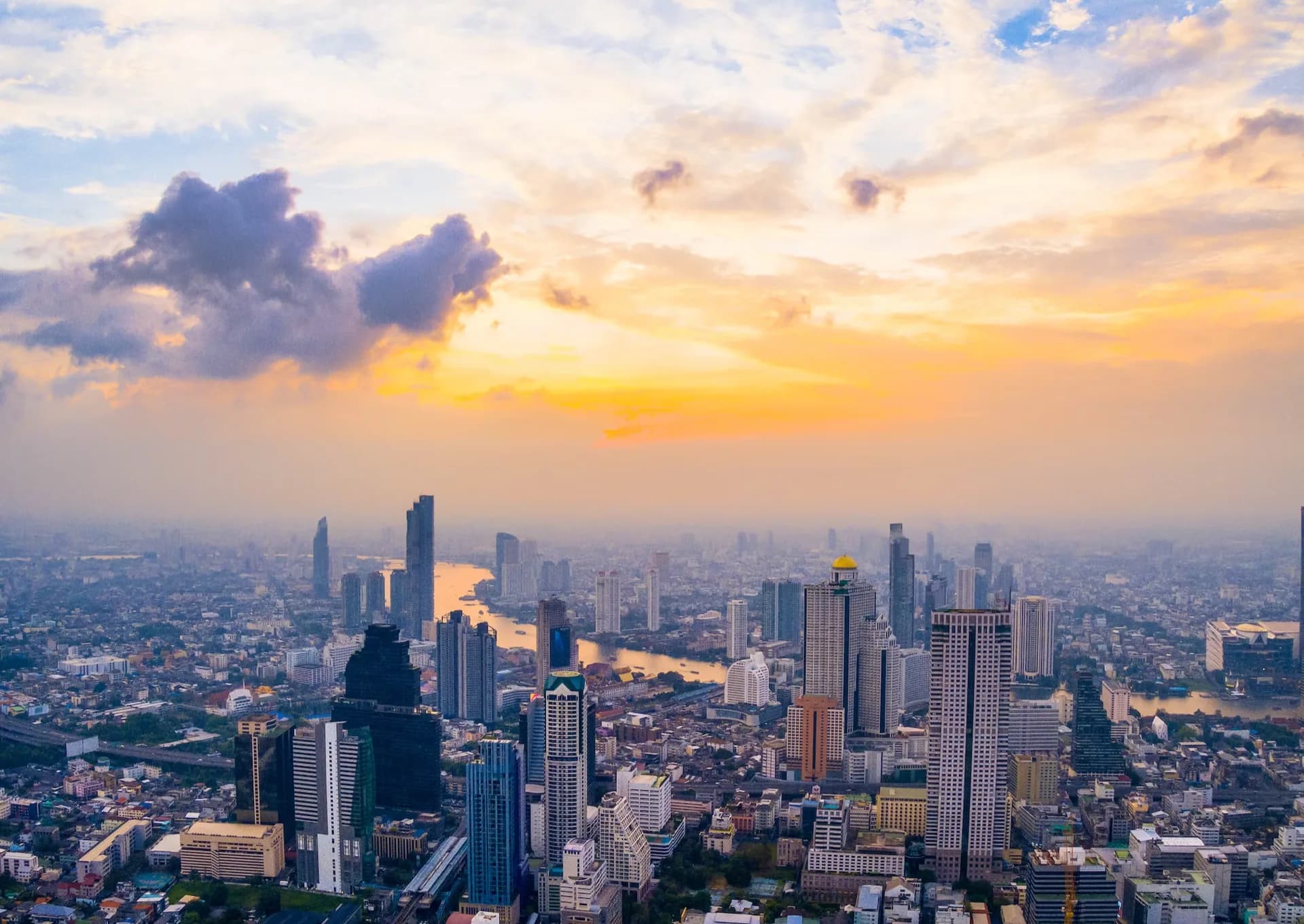
Best for cities
BTS Skytrain or Grab
Best for islands
Longtail boat or ferry
Cheapest option
Songthaew or bus
Most scenic
Train or longtail boat
Easiest for tourists
Grab (ride-hailing)
Must-try experience
Tuk-Tuk at least once
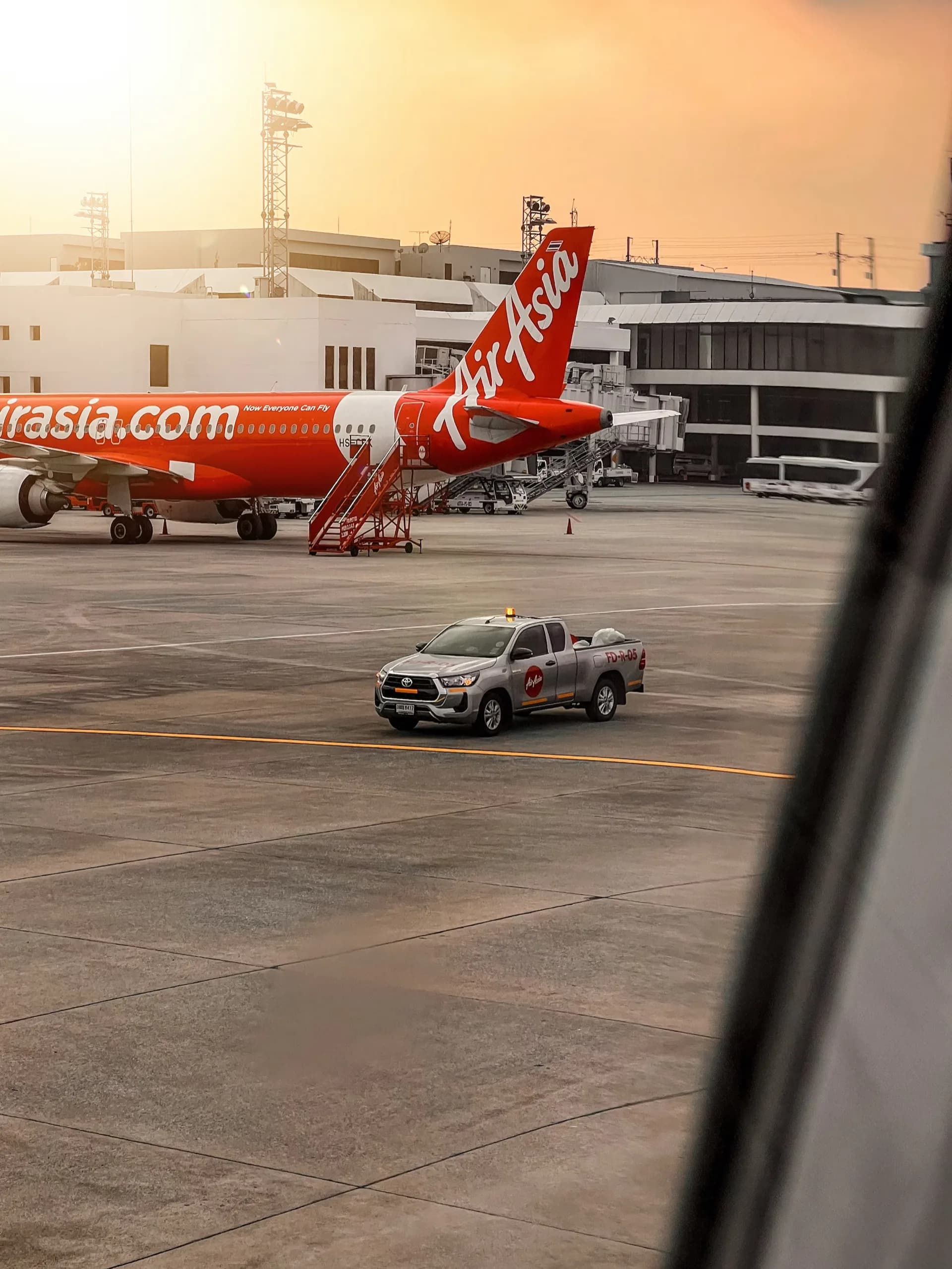
Domestic flights are surprisingly affordable and can save hours of travel time between major hubs like Bangkok, Chiang Mai, and Phuket. Airlines like AirAsia, Nok Air, and Bangkok Airways run frequent routes.
Pros
Cons
Pro Tip
Book at least 2–3 weeks in advance for the best fares. Suvarnabhumi (BKK) handles most international flights; Don Mueang (DMK) is the low-cost domestic hub.
Buses connect virtually every corner of Thailand. Government VIP buses are comfortable for long journeys; local buses are bare-bones but cheap. The main terminal in Bangkok is Mo Chit (Northern Bus Terminal).
Pros
Cons
Pro Tip
For overnight journeys, VIP buses with reclining seats and blankets are well worth the small premium.
The State Railway of Thailand runs scenic routes that planes can't match. The overnight sleeper from Bangkok to Chiang Mai is a bucket-list experience. Routes are slower but atmospheric.
Pros
Cons
Pro Tip
Book sleeper berths at least a week ahead on popular routes (Bangkok–Chiang Mai, Bangkok–Surat Thani for Koh Samui).
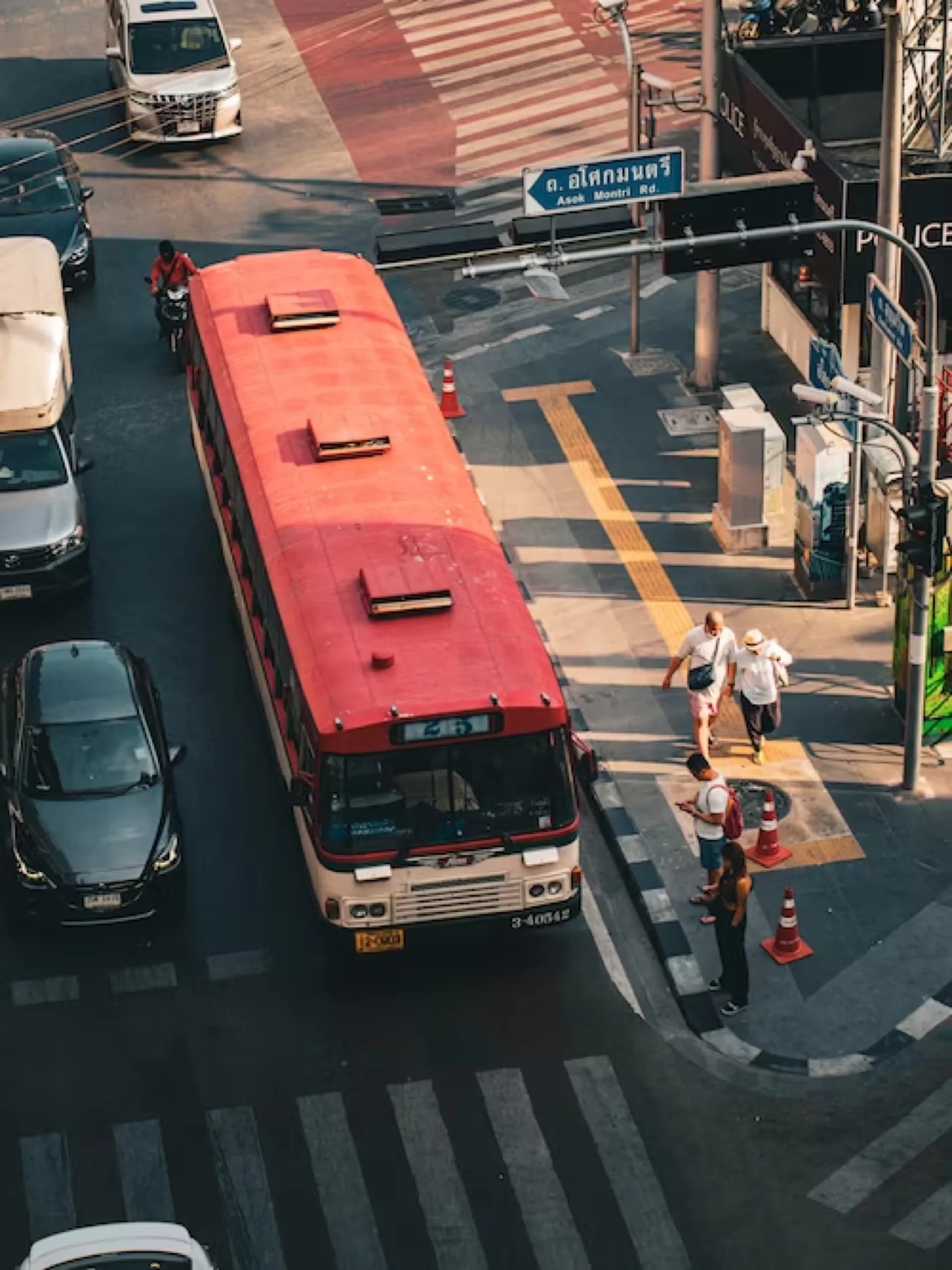
Bangkok's elevated rail network (BTS and MRT) is the fastest way to navigate the city. Covers most tourist areas including Sukhumvit, Silom, Siam, and Chatuchak Market.
Pros
Cons
Pro Tip
Buy a Rabbit Card (BTS) or stored-value MRT card for cheaper fares and to skip the queue.
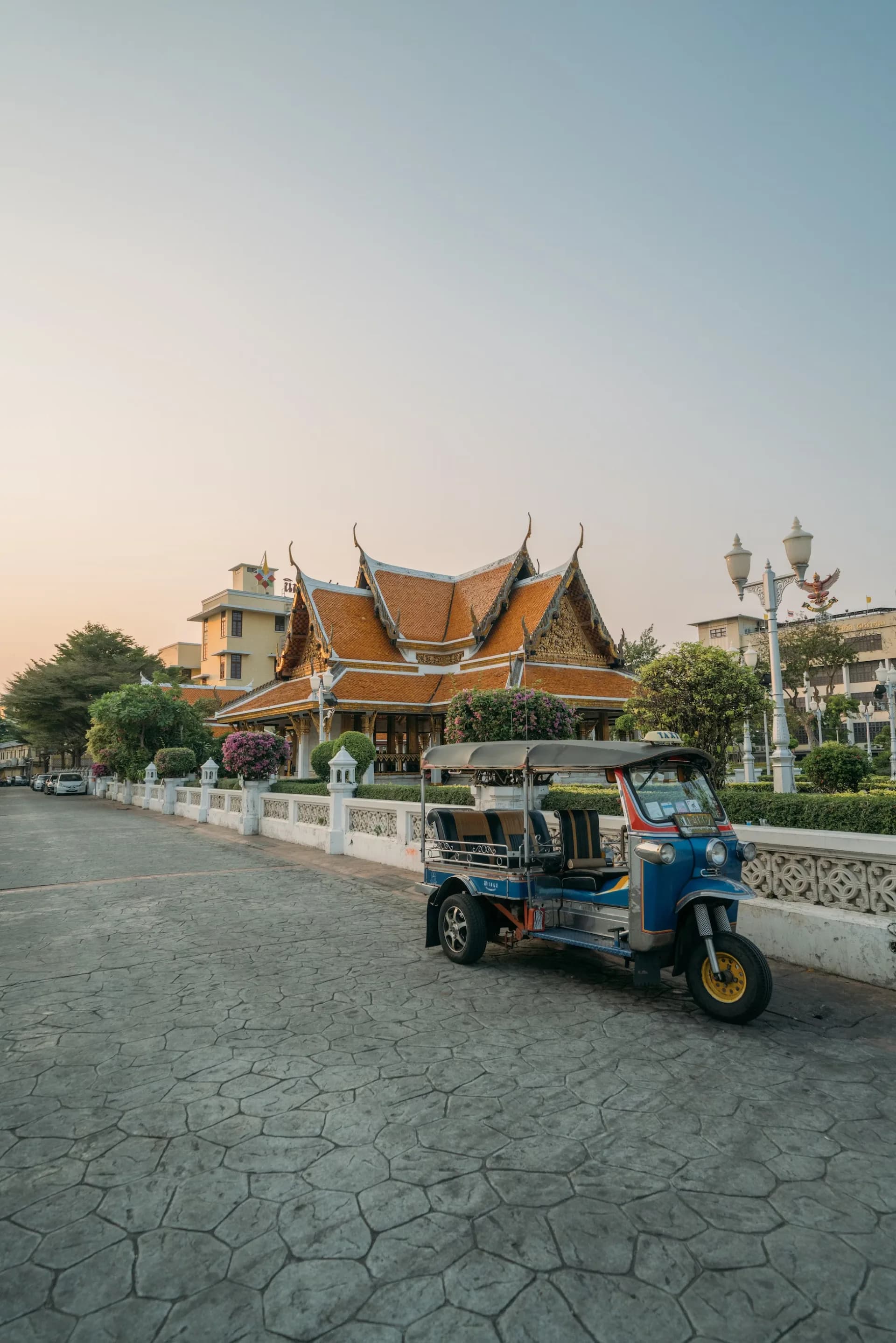
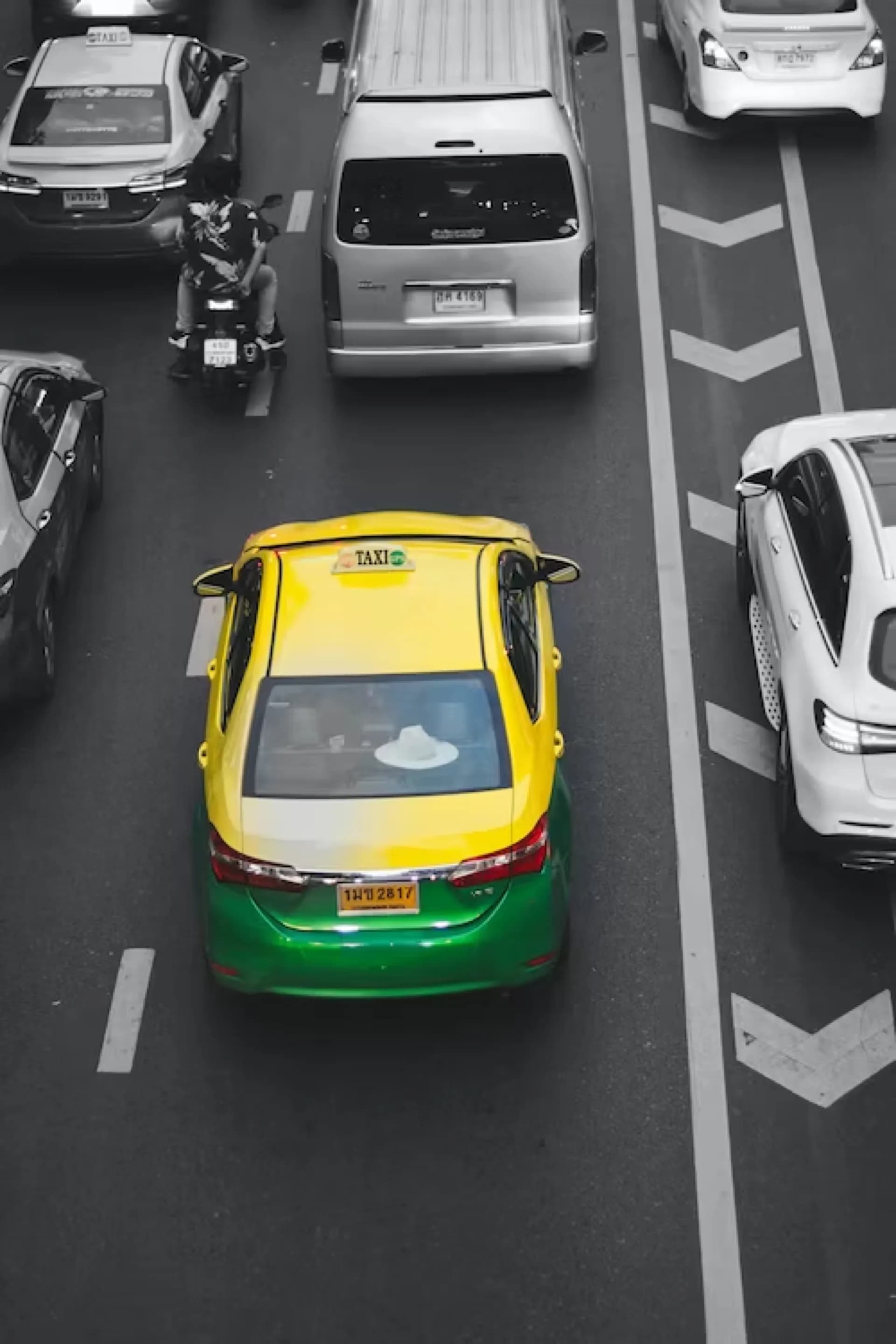
Metered taxis are available in Bangkok and major cities. Always insist the driver uses the meter — flat rates quoted upfront are almost always inflated.
Pros
Cons
Pro Tip
Say 'meter, please' firmly when you get in. If the driver refuses, get out and find another cab.
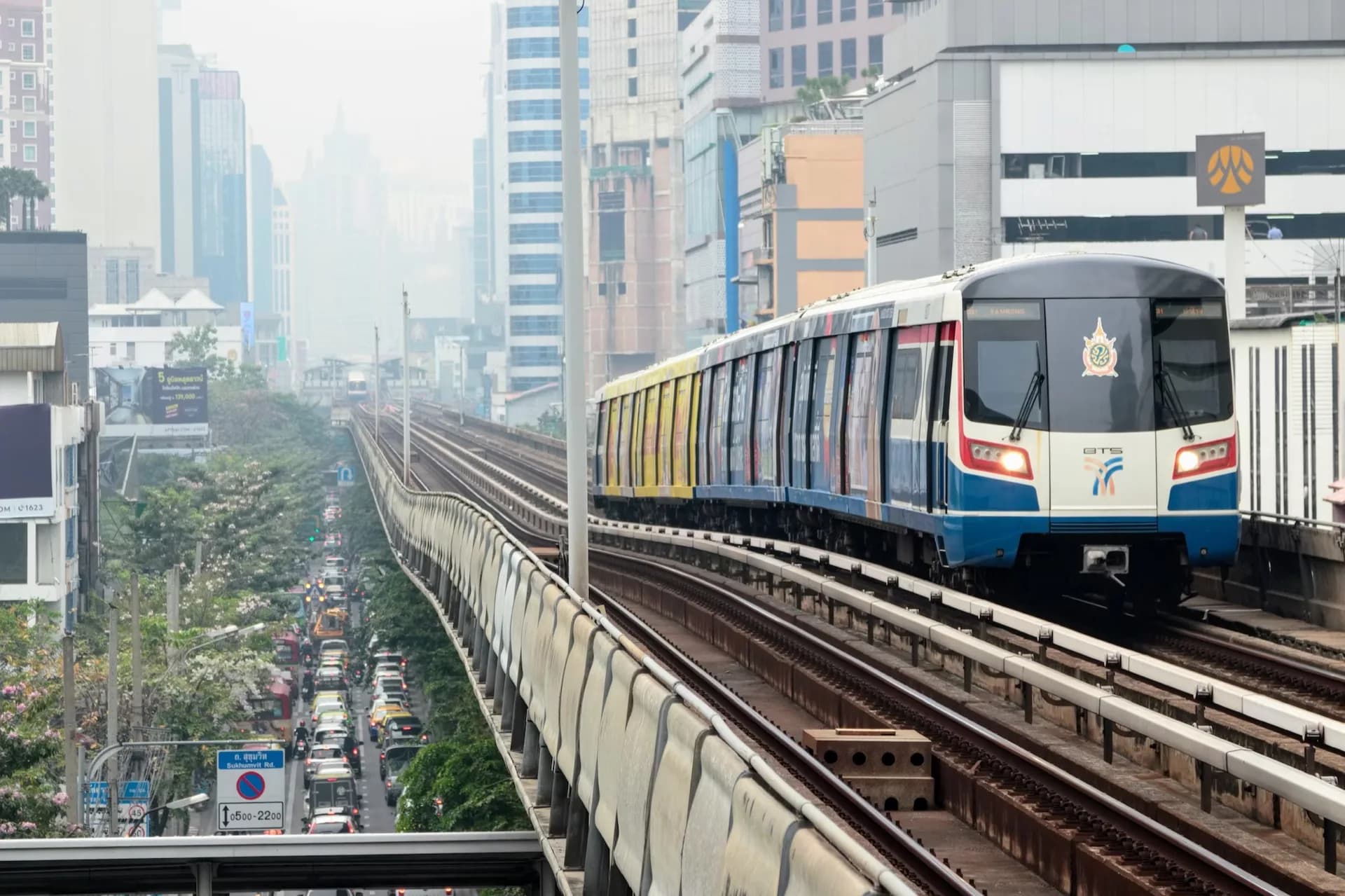
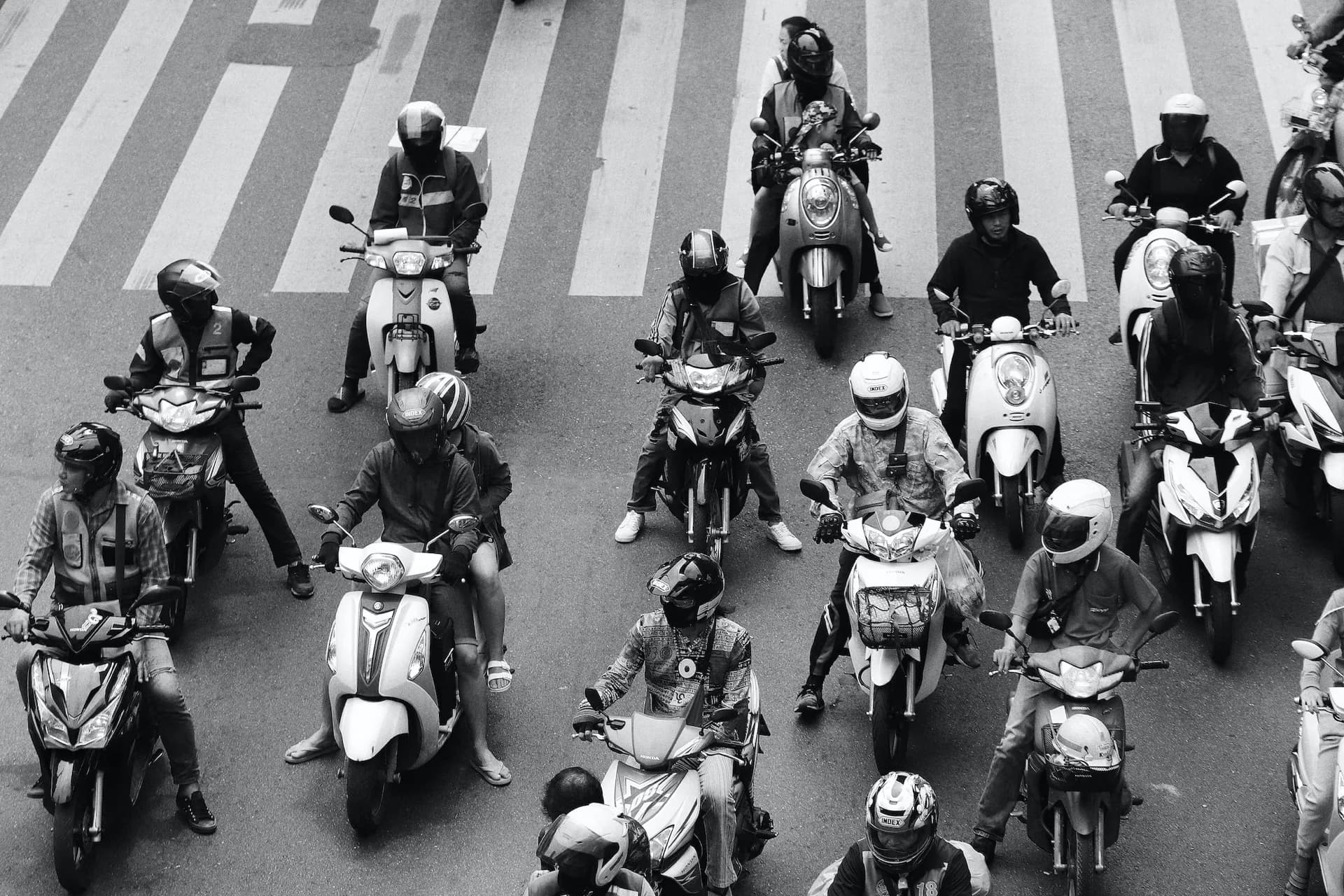
Recognizable by their orange vests, motorbike taxi drivers weave through traffic and are the fastest option for short hops in congested cities. They cluster near BTS stations and markets.
Pros
Cons
Pro Tip
Always wear the helmet provided. Negotiate the fare before you get on — typical short trips cost 20–50 THB.
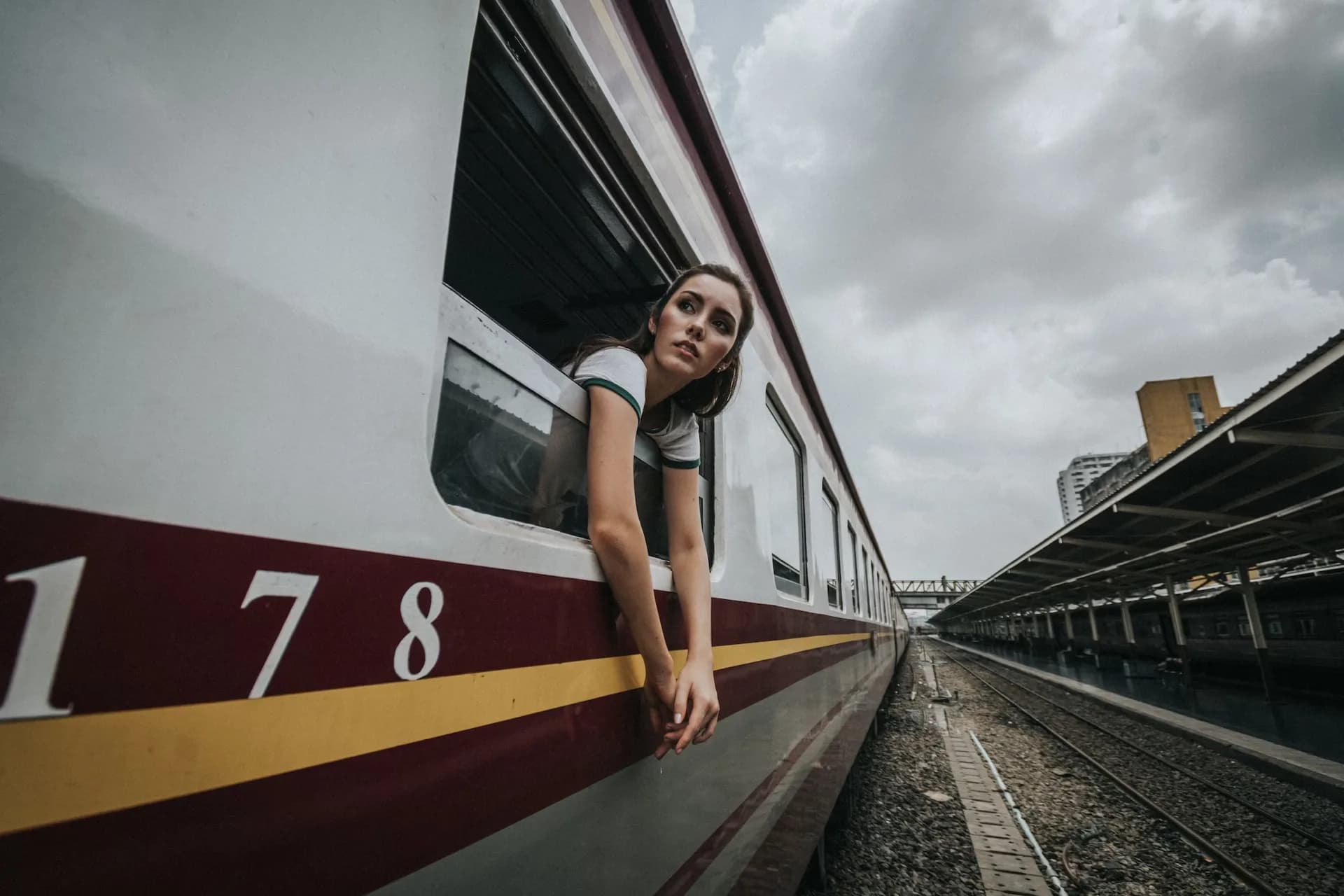
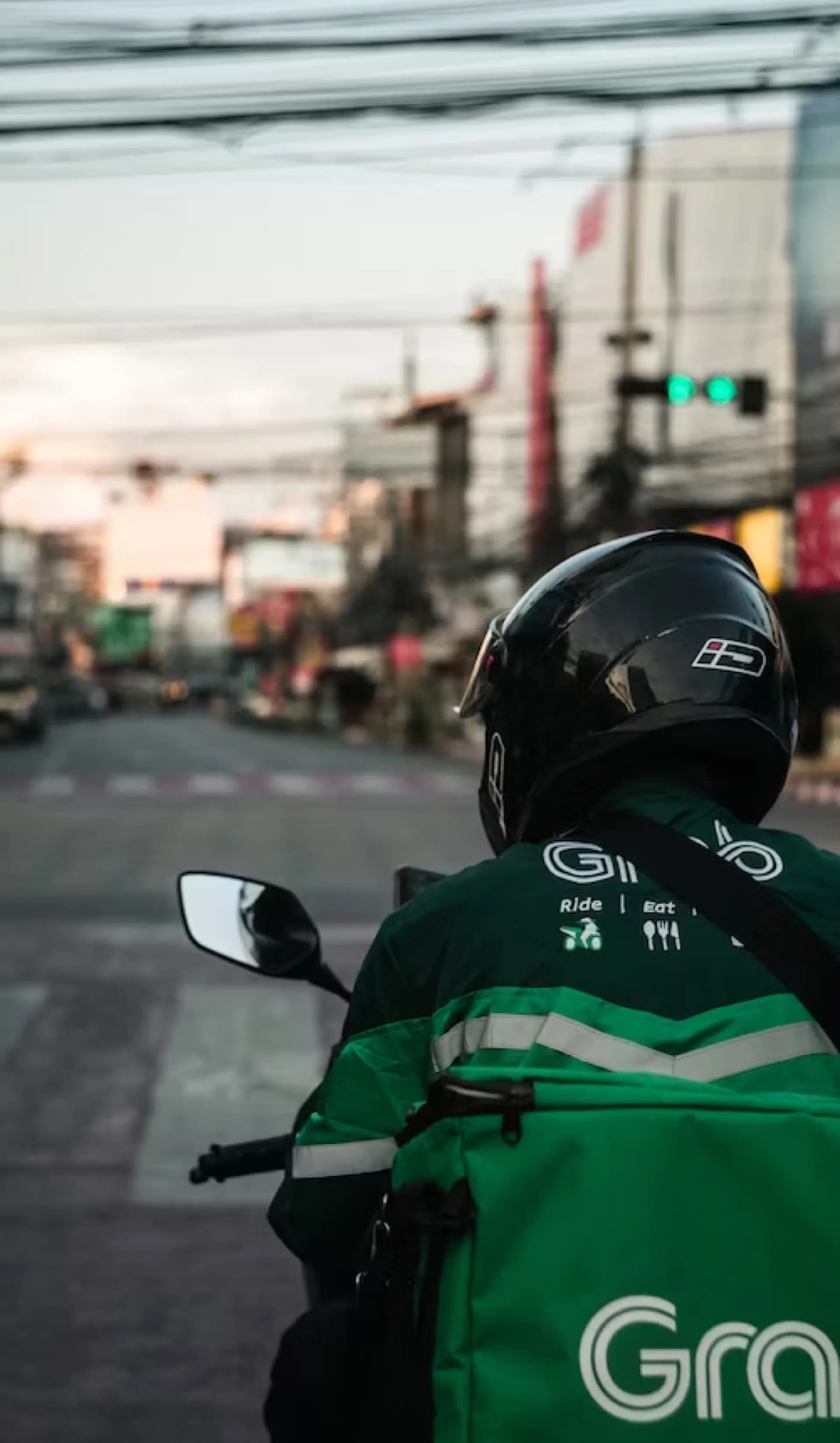
Grab is Southeast Asia's dominant ride-hailing app, offering cars and bikes. Prices are fixed upfront, drivers are rated, and payment can be cashless — a huge plus for tourists.
Pros
Cons
Pro Tip
Use GrabCar for airport transfers — it's often cheaper than airport taxis and dramatically less stressful.

The iconic three-wheeled tuk-tuk is a quintessential Thai experience. Prices are negotiated — always agree before setting off. They're fun for short tourist trips but not practical for daily transport.
Pros
Cons
Pro Tip
A reasonable rate in Bangkok is around 50–100 THB for a short trip. If a driver quotes much less, he may be taking you to shops for commission.
Longtail boats are a uniquely Thai water transport — narrow wooden vessels powered by a repurposed car engine on a long drive shaft. Used on Bangkok's canals (khlongs) and for island hopping in the south.
Pros
Cons
Pro Tip
On Bangkok's Chao Phraya River, use the orange-flag express boats for cheap commuter travel — far more scenic than road transport.